
 Get in touch
Our Services
Weekly 50-minute individual therapy sessions designed to meet your personal needs.
Offered both in person and online, from a designated private office.
In-Person Sessions
A Welcoming space in Vila Nova Conceição

In-person sessions are held in an office designed to offer warmth, comfort, and privacy — located in Vila Nova Conceição, São Paulo.
It is a setting that supports deep listening and the creation of a solid therapeutic bond.
Sessions take place weekly, lasting 50 minutes, honoring each person's pace and ensuring quality in the therapeutic process.
Online Sessions
Therapy wherever you are
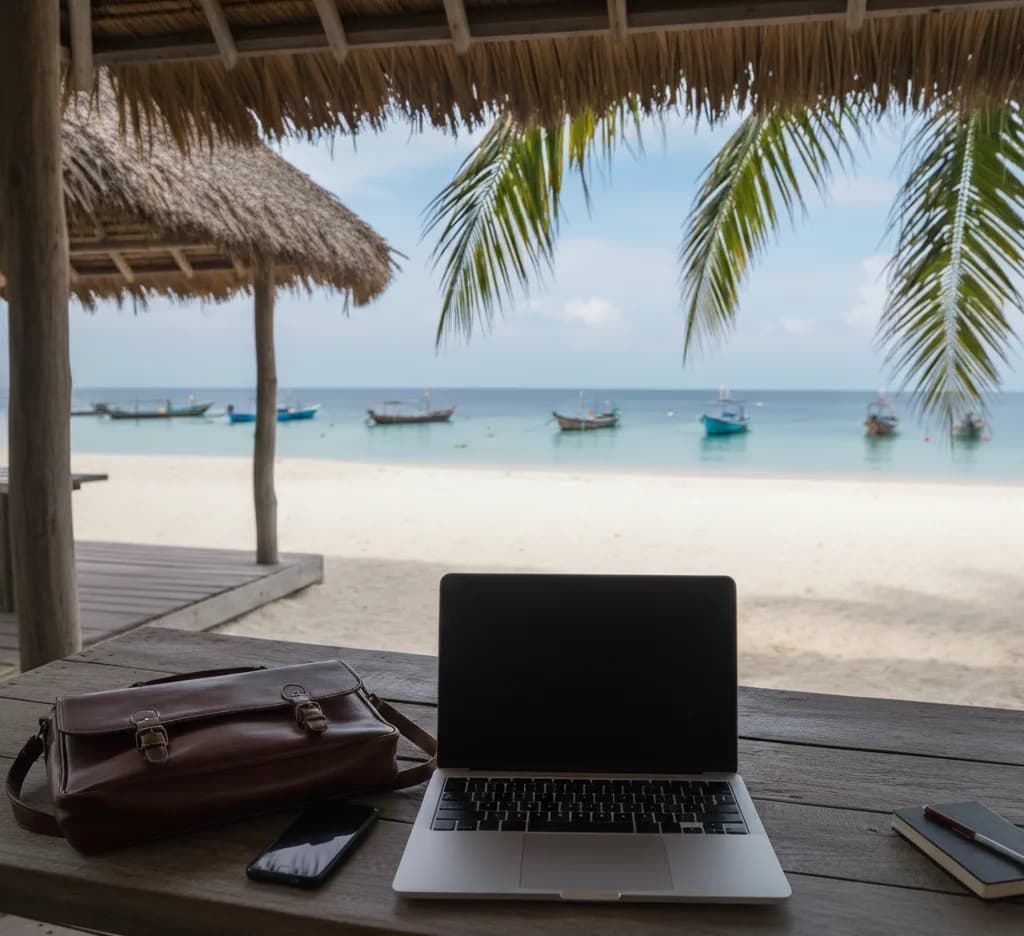
Online sessions create a therapeutic space that reaches you wherever you are — at home, at work, or on the move. Through a secure video call, the care, confidentiality, and quality of in-person therapy are preserved, even across countries.
For those needing flexibility or living far away, it's a supportive alternative. The online format sustains the therapeutic bond and keeps the depth of listening alive.
How the therapeutic process works
Prioritizing your journey
Weekly 50-minute sessions, in person or online, create a consistent and confidential space for you. A time dedicated to listening to your needs and accompanying your process with respect for your pace.
1. First Contact
We begin with a simple first step — a message on WhatsApp or a form filled out on the website. From there, we schedule our first session.
There's no pressure or commitment: this first meeting is just for us to get to know each other and for you to feel whether the space suits you.
2. Beginning the Process
After our first contact, we move forward with regular sessions — online or in person, depending on what feels right for you.
Therapy follows your rhythm; there's no fixed timeline. What matters is that you feel welcomed and accompanied throughout the process.
3. Continuity
Regular sessions help cultivate a solid therapeutic bond and allow you to explore meaningful aspects of your life.
Over time, therapy becomes a safe space for listening, reflection, and transformation — where suffering can be understood and life can be approached with more clarity and care.

Areas and issues addressed
Who can benefit from this space?
Anxiety, depression and panic — moments when emotional suffering impacts everyday life and calls for attentive listening.
Grief, loss and new beginnings — support for those who need to process what was lost and slowly make room for rebuilding.
Abusive relationships and breakups — care for those who have lived emotional violence or are rebuilding themselves after a separation.
Emotional conflicts and bodily manifestations — a space to explore tensions, somatizations and discomforts expressed through the body.
Self-knowledge and inner change — for those seeking to understand themselves more deeply and live with greater clarity and care.
Care for people with Lipedema
Lipedema touches much more than the body
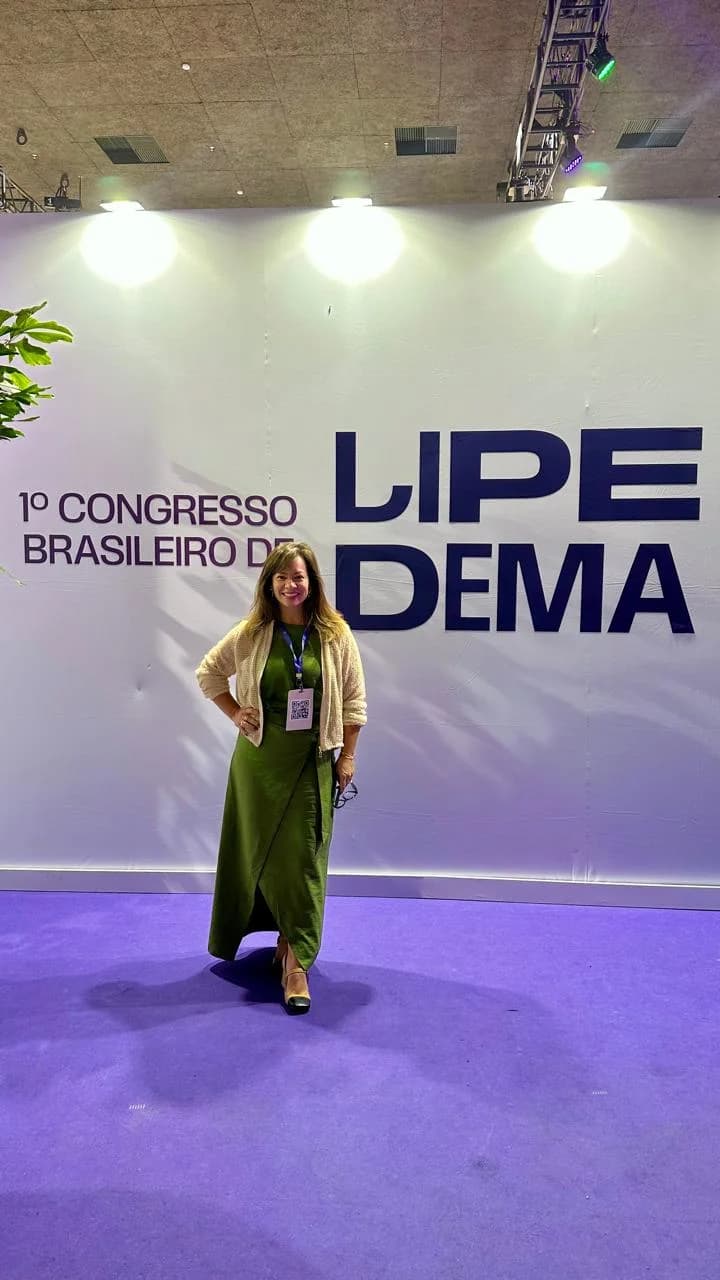
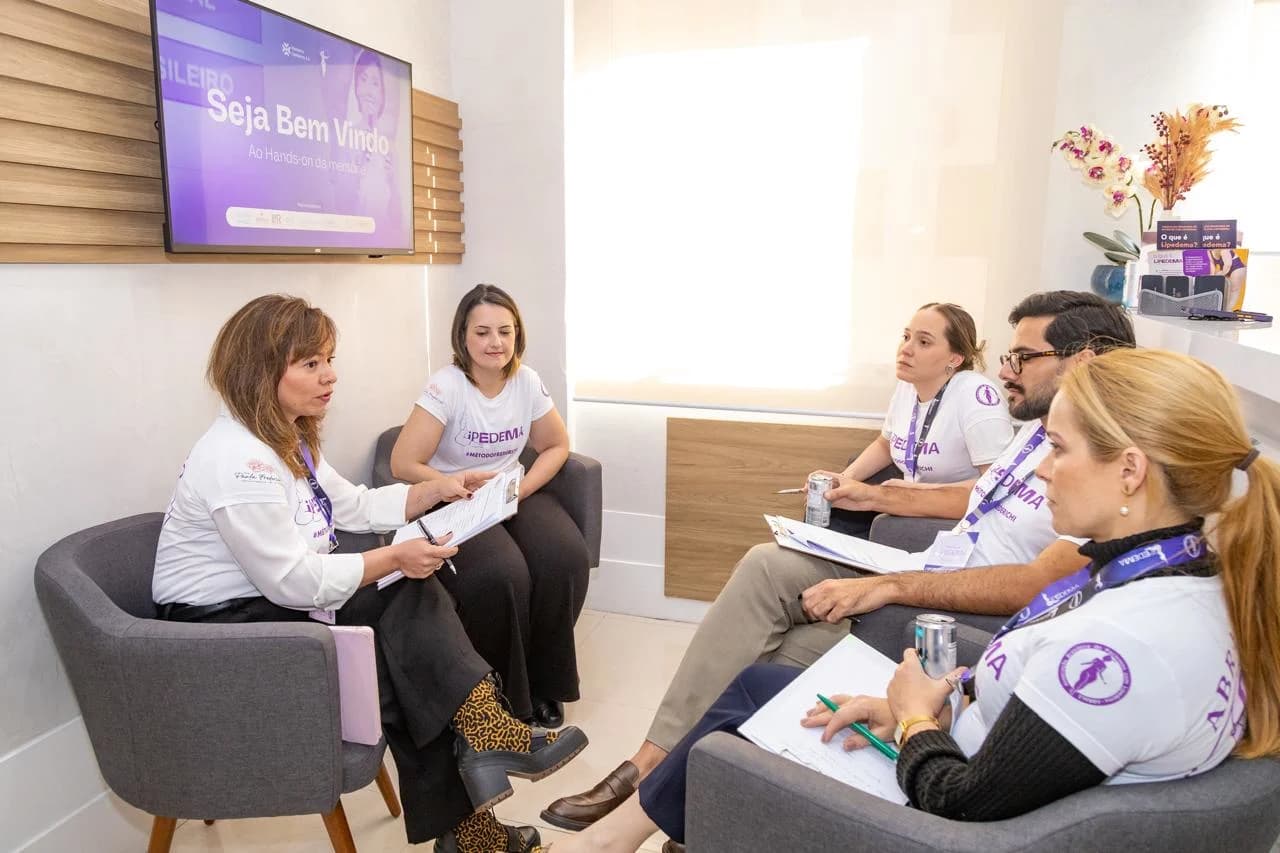
Lipedema touches much more than the body — it influences how we move, how we see ourselves, and how we navigate the world, often accompanied by years of quiet, misunderstood pain.
Many women have had their symptoms reduced to something "aesthetic," when the truth is that both the body and the emotions carry weight that needs to be heard.
As a psychologist — and someone who also lives with Lipedema — I understand the emotional fatigue, the frustrations, the fears, and the challenges that come with each stage of this condition.
In therapy, I offer a safe and compassionate space to express these feelings and to create new ways of relating to your body, your limits, and your story.
Here, we look not only at suffering, but at your path, your uniqueness, and the strength that lives beyond the diagnosis.
International Care
Support for expats and those living away from their Home Country
Living far from home is a profound crossing — emotional, cultural, and deeply connected to one's identity.
More than a geographic move, it requires reinvention, adaptation, and redefining bonds. It often involves facing loneliness, longing, cultural differences, ruptures, and the ongoing feeling of not fully belonging anywhere.
Psychoanalytic therapy offers a space to work through:
the rupture of leaving one's home country;
the emotional impact of cultural adaptation;
the rebuilding of bonds in a new environment;
the strangeness — and the enchantment — of the new;
the search for belonging without losing one's own identity;
the desire to start over while still keeping one's roots.
Having lived abroad for ten years, I know firsthand the emotional layers of this process: missing family, navigating cultural differences, rebuilding identity in another place, and the effort of creating a new home while still carrying the old one.
I work with expats from different nationalities, including people living in Brazil who feel more comfortable having their sessions in English. And through video sessions, I also offer Brazilians living abroad the possibility of maintaining their therapeutic process from a distance — with continuity, safety, and a space to speak in their own language.
A place where each person can make sense of their experiences, losses, discoveries, and the emotional complexity of living between worlds — wherever they currently call "home."

Schedule your first session